
From Quarry to Canvas: Mapping, Modeling, and Applied Observation

A quarry preserves its own internal logic.
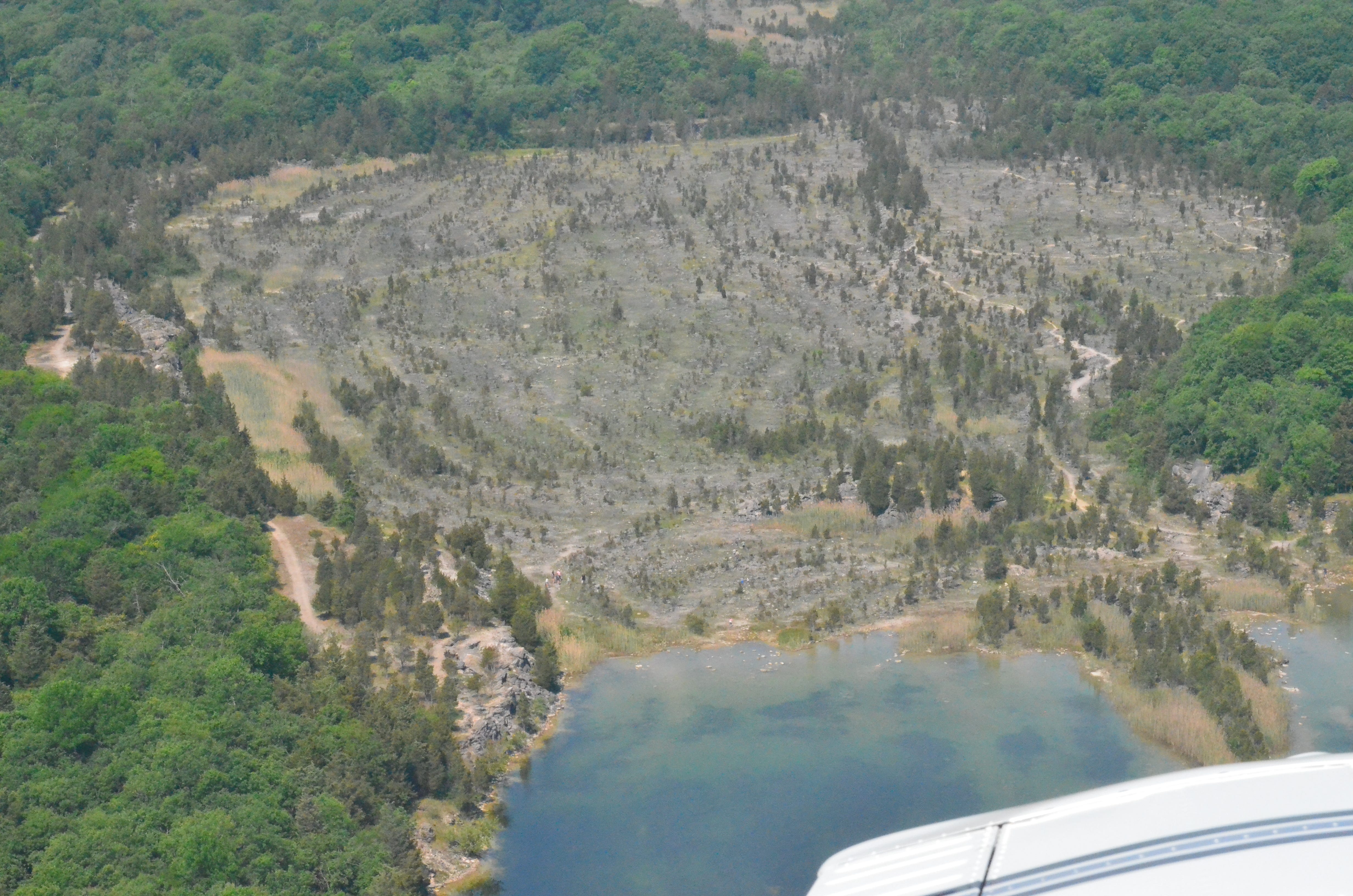
Cut faces, haul roads, benches, access routes, and exposed strata record sequences of decisions made under specific operational, economic, and organizational constraints. These features form a system that can be documented and modeled directly from the site.
They also preserve evidence of human coordination.
Extraction patterns, tooling marks, circulation layouts, and infrastructure placement reflect how work was organized, how risk was managed, how material quality was evaluated, and how knowledge moved through the operation. The landscape carries traces of planning, adaptation, success, and failure.
My work in quarry landscapes focuses on developing methods to make both layers legible. The physical structure and the human logic embedded within it. Mapping and modeling are used to document existing conditions with enough resolution that operational patterns, decision strategies, and cultural habits emerge without being imposed.
Case Study: Forensic Reading of a Quarry Landscape
One project examined an abandoned limestone quarry through a forensic lens. Spatial relationships, extraction sequences, tooling traces, and infrastructural remnants were documented to reconstruct how the site evolved over time.
Aerial imagery, ground-level documentation, and diagrammatic modeling were used to identify operational phases and material flows. Bench geometry, cut orientation, and circulation paths revealed how efficiency, safety, material quality, and labor organization shaped the present form of the site.
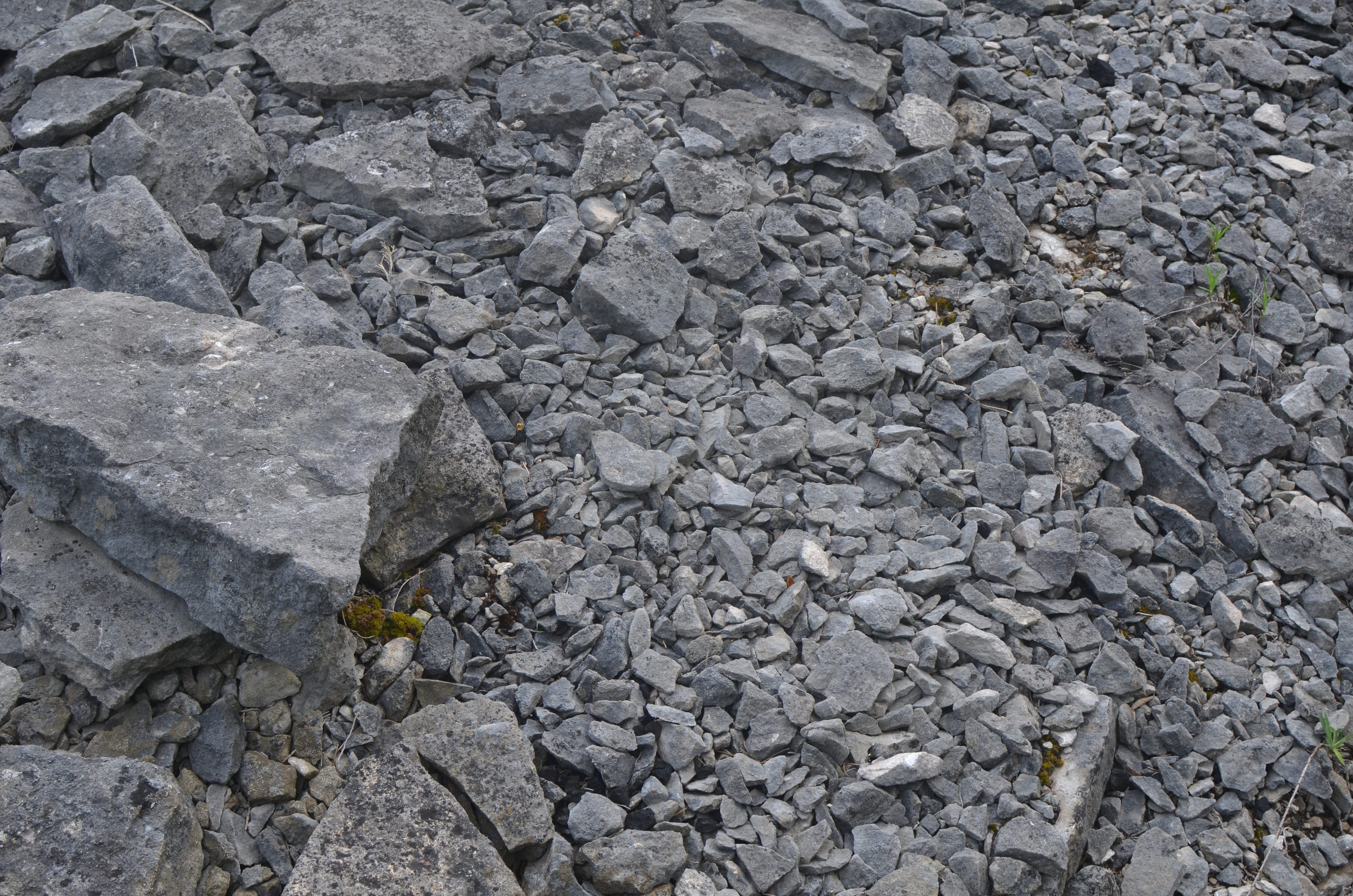
Beyond physical form, these traces reflected how teams coordinated work, how knowledge was transferred across shifts and phases, and how decision-making adapted as conditions changed. Choices left behind evidence of priorities, constraints, and assumptions embedded in daily operations.
As the site was mapped, apparent irregularities resolved into a coherent operational structure. What initially read as disorder clarified into accumulated process shaped by human judgment over time.
The primary outputs were maps, diagrams, and models. These materials established a reference layer that captured both physical conditions and the logic that produced them. They supported future use without collapsing complexity or prescribing an outcome.
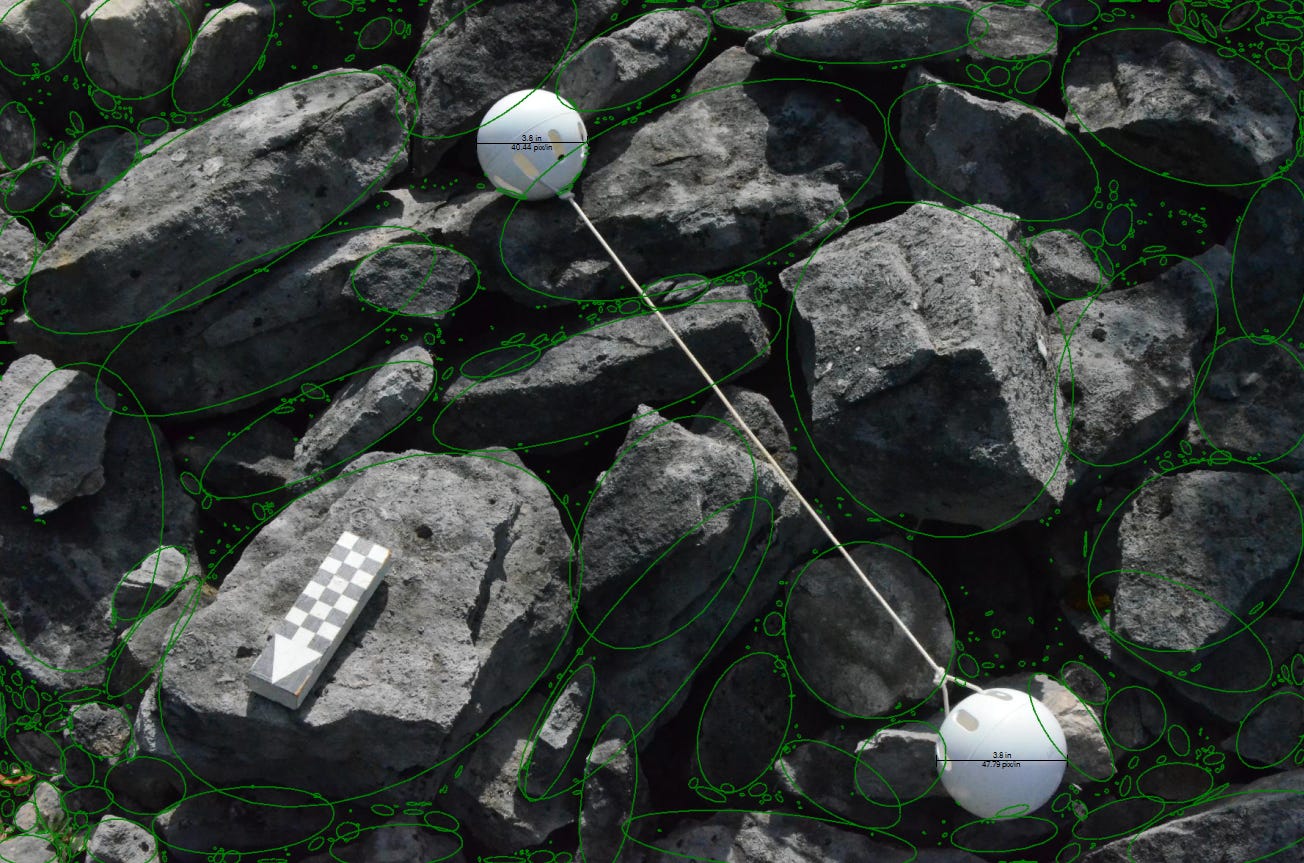
Mapping as Decision Infrastructure
This work treats observation as a technical and cultural discipline.
Geological exposure is recorded in place.
Spatial organization is diagrammed from existing form.
Operational traces are documented as evidence of coordinated activity.
Interpretive insight appears as a top layer and remains traceable to mapped conditions. Conclusions can be examined against the workflows, decisions, and constraints that generated the evidence.
This approach creates a shared frame of reference. Designers, planners, engineers, and stakeholders operate from the same documented reality. Tacit knowledge becomes visible. Explicit knowledge gains context. Both can be conserved, interpreted, and reused.
From Quarry Operations to Organizational Systems
Quarry landscapes make accumulated decisions visible. Their transformations are explicit and irreversible, which makes them effective sites for developing observational rigor.
Similar conditions exist inside organizations. Processes evolve. Workarounds emerge. Knowledge becomes embedded in routines, tools, and artifacts rather than documentation. Over time, strategy drifts away from practice.
By reading the traces left behind, physical or organizational, it becomes possible to infer how decisions are made, how knowledge flows, and where breakdowns occur. This provides concrete input for strategy, design requirements, and institutional learning.
Every action reflects an organization’s knowledge base.
Every action reflects its culture.
These projects demonstrate how disciplined mapping and modeling reveal those layers and make them usable. The quarry serves as a clear example of how structure, human logic, and institutional memory already exist, waiting to be documented and understood.